Babies ‘will face almost twice as much’ extreme fire weather in Europe than great-grandparents
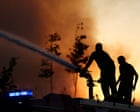
Children born after 2025 will experience three more years of brutally fire-conducive weather as global heating intensifiesEuropean babies will face almost twice as much extreme fire weather as their great-grandparents if climate action does not ramp up quickly, a study has found.
The study's findings are a stark reminder of the long-term consequences of inaction on climate change. The fact that children born after 2025 will experience three more years of extreme fire weather than their great-grandparents is a sobering statistic. This is particularly concerning given the devastating impact of wildfires on communities, ecosystems, and human health.
This research adds to the growing body of evidence highlighting the disproportionate impact of climate change on future generations. As global heating intensifies, extreme weather events like wildfires are becoming more frequent and severe. The European region, in particular, is already experiencing an increase in fire-conducive weather conditions, and this trend is expected to continue unless greenhouse gas emissions are drastically reduced. The climate and energy sectors must prioritize rapid decarbonization and invest in climate resilience and adaptation strategies to mitigate these impacts.
As policymakers and industry leaders gather for climate talks and conferences, this study serves as a timely reminder of the urgent need for collective action. To watch next: the European Union's efforts to implement its climate adaptation strategy and increase its climate ambition in the coming years. Will the bloc be able to translate its climate goals into tangible action, and can other regions follow suit? The next few years will be critical in determining the course of climate change and its impacts on future generations.
Originally reported by theguardian.com. ClimateNews adds analysis for climate & energy readers.