Climate crisis likely behind devastating Nepal-Tibet floods that killed more than 1,300, first study finds
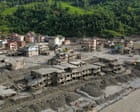
Scientists say global heating was a destabilising factor in collapse of 200,000 sq metre glacier in AugustClimate breakdown probably weakened the glacier that collapsed causing catastrophic floods and killing hundreds of people in Nepal and Tibet last month, the first scientific
The devastating floods that struck Nepal and Tibet in August, claiming over 1,300 lives, were likely exacerbated by the climate crisis, according to a recent study. This finding is significant as it highlights the growing threat of climate-related disasters in the Himalayan region. Rising global temperatures are causing glaciers to weaken and become more prone to collapse, leading to catastrophic consequences.
The collapse of the 200,000 sq metre glacier in this case is a stark reminder of the region's vulnerability to climate change. The Himalayas are often referred to as the "Third Pole" due to their massive ice reserves, which are melting at an alarming rate. As global heating continues to intensify, the risk of such disasters will only increase, posing a significant threat to communities living in the region. The study's findings underscore the need for urgent climate action to mitigate the worst impacts of global warming.
As the world continues to grapple with the challenges of climate change, this study serves as a wake-up call for governments and policymakers to take immediate action. What's next to watch is how the international community responds to the growing threat of climate-related disasters in the Himalayan region. Will there be increased investment in climate resilience and adaptation measures, such as early warning systems and glacial lake outburst flood mitigation? The coming months will be crucial in determining the course of action to protect vulnerable communities and ecosystems in the region.
Originally reported by theguardian.com. ClimateNews adds analysis for climate & energy readers.