Climate crisis probably weakened glacier that caused devastating Nepal-Tibet floods, first study finds
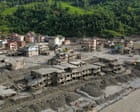
Scientists say global heating was a destabilising factor in collapse of 200,000 sq metre glacier in AugustClimate breakdown probably weakened the glacier that collapsed causing catastrophic floods and killing hundreds of people in Nepal and Tibet last month, the first scientific
The recent study on the devastating Nepal-Tibet floods highlights the alarming impact of climate change on glacial stability. The collapse of the 200,000 sq metre glacier in August led to catastrophic consequences, resulting in loss of life and widespread destruction. What's significant here is that scientists have found a link between the climate crisis and the weakening of the glacier, which ultimately led to its collapse.
This finding is crucial in the context of the rapidly changing climate and its far-reaching consequences. Glaciers worldwide are facing unprecedented threats due to rising temperatures, and this incident serves as a stark reminder of the potential risks associated with glacial instability. The Himalayan region, in particular, is considered highly vulnerable to climate change, with many glaciers at risk of collapse. As global heating continues to intensify, it's essential to monitor glacial health and anticipate potential disasters.
What's next to watch is how this incident informs policy and adaptation strategies in the region. As the climate continues to change, it's critical to develop and implement effective early warning systems, as well as sustainable infrastructure to mitigate the impact of such disasters. Furthermore, the study's findings underscore the urgent need for global action to reduce greenhouse gas emissions and slow the rate of climate change, ultimately reducing the risk of such devastating events in the future.
Originally reported by theguardian.com. ClimateNews adds analysis for climate & energy readers.