‘Forcing a reckoning’: How Asia is preparing for a ‘supersized’ El Niño
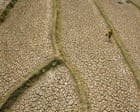
From Sri Lanka to South Korea, governments are preparing for droughts, wildfires, typhoons and floods – with climate plans facing their biggest challenge to dateAsian governments are rushing preparations for the most severe El Niño weather event on record, with hundreds of millio
El Niño, a complex weather pattern, is expected to have far-reaching consequences for Asia, with governments bracing for extreme weather events such as droughts, wildfires, typhoons, and floods. This preparation is crucial, as El Niño can significantly impact agriculture, water resources, and economies. Sri Lanka and South Korea are among the countries taking proactive measures, indicating a growing recognition of the need to mitigate and adapt to climate-related risks.
The current El Niño event is predicted to be particularly severe, with potentially devastating effects on food security, economic stability, and human settlements. Asian governments are putting their climate plans to the test, as they face their biggest challenge to date. Effective preparedness and response will depend on the integration of climate resilience into development strategies, as well as the implementation of early warning systems and emergency response plans. The region's experience will provide valuable insights into the resilience of climate policies and the capacity of governments to manage climate-related disasters.
As the situation unfolds, it is essential to monitor the effectiveness of Asia's preparedness measures and the impact of El Niño on local communities. Key areas to watch include the severity of extreme weather events, the resilience of agricultural systems, and the economic implications of El Niño. The outcomes will inform climate policy and disaster risk management, both regionally and globally, and will highlight the need for continued investment in climate resilience and adaptation.
Originally reported by theguardian.com. ClimateNews adds analysis for climate & energy readers.