Grizzly reality: US states grapple with uptick in encounters between bears and humans
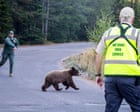
Bears are increasingly entering places where humans live in the US, forcing wildlife workers to make tough decisionsDan Thompson, supervisor of the large carnivore section of the Wyoming game and fish department, enjoys the field work of capturing mountain lions, wolves, black be
As climate change alters ecosystems, wildlife habitats, and food sources, encounters between bears and humans are becoming more frequent in the US. This trend is particularly concerning in western states, where grizzly bears are roaming into areas with human settlements, leading to increased risks for both humans and bears. The issue is complex, with factors such as changing land use, declining food sources, and shifting bear behavior contributing to the rise in encounters.
The situation highlights the need for effective conservation strategies and management practices that balance human safety with bear conservation. Wildlife workers, like Dan Thompson, are facing tough decisions when it comes to capturing and relocating bears, as well as educating the public on how to coexist with these animals. The challenge is significant, as human-bear conflicts can have severe consequences, including harm to both humans and bears, as well as economic impacts on local communities.
As climate change continues to reshape ecosystems, it's essential to monitor the situation and adapt conservation efforts accordingly. Key areas to watch include the development of innovative solutions for human-bear conflict mitigation, such as non-lethal deterrents and community-based conservation initiatives. Additionally, policymakers and wildlife managers will need to consider the long-term implications of climate-driven changes in wildlife habitats and behavior, and develop strategies to promote coexistence between humans and wildlife in a rapidly changing world.
Originally reported by theguardian.com. ClimateNews adds analysis for climate & energy readers.