The climate crisis will destroy our economies – we learned this 20 years ago. When will we act? | Fiona Harvey
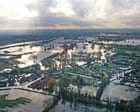
The radical Stern report showed that a low-carbon future is also good economics. But it seems that capitalism needs a reminderSaving the only planet we have makes good economic sense. There is, after all, no money to be made on a dead Earth. There may be costs involved now, but t
The article highlights the 20-year-old Stern report, a landmark study that demonstrated the economic benefits of transitioning to a low-carbon future. Despite this knowledge, global economies have failed to take decisive action to address the climate crisis. The report's findings, led by economist Nicholas Stern, showed that the costs of inaction far outweigh the costs of transitioning to a low-carbon economy.
The fact that it has taken so long for meaningful action to be taken is a stark reminder of the influence of short-term thinking and vested interests in the global economy. The fossil fuel industry, in particular, has been a significant barrier to progress, as it seeks to protect its profits and maintain the status quo. However, as the article notes, there is no money to be made on a dead planet, and the economic benefits of a low-carbon future are clear.
As the climate crisis continues to escalate, all eyes are on the next major global climate summit, COP28, and the intermediate national targets that countries will have to set. To watch next: Will governments and corporations finally take concrete steps to align their economic systems with a low-carbon future, or will they continue to prioritize short-term gains over long-term sustainability? The clock is ticking, and the evidence is clear – it's time for action.
Originally reported by theguardian.com. ClimateNews adds analysis for climate & energy readers.