The US west has lost nearly 300 glaciers since the 1960s. Climate crisis is drastically shrinking what’s left
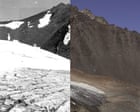
At the midpoint of the last century the region had 1,450 glaciers and a new study reveals the extent of losses Continue reading...
The loss of nearly 300 glaciers in the US West since the 1960s is a stark reminder of the rapid pace of climate change. This significant decline, from 1,450 glaciers to just over 1,150, underscores the profound impact of rising temperatures on these natural ice formations. Glaciers serve as important indicators of climate health, and their shrinkage has far-reaching consequences for ecosystems, water supplies, and weather patterns.
The US West's glaciers, particularly those in iconic national parks like Glacier National Park in Montana, are emblematic of the broader trends in glacier loss worldwide. As global temperatures continue to rise, glaciers everywhere are experiencing unprecedented melting and retreat. This not only contributes to sea-level rise but also affects regional hydrology, altering the timing and magnitude of water flows into rivers and streams. The study's findings highlight the urgent need for continued monitoring and research into glacier dynamics, as well as the implementation of effective climate mitigation strategies.
As the climate crisis intensifies, it's essential to track the ongoing changes in glacier extent and mass. The next critical step will be to assess the implications of accelerated glacier loss for regional ecosystems and water resources. Will policymakers and stakeholders take heed of these findings and accelerate efforts to reduce greenhouse gas emissions and transition to renewable energy sources? The fate of the remaining glaciers, and the many ecosystems that depend on them, hangs in the balance.
Originally reported by theguardian.com. ClimateNews adds analysis for climate & energy readers.