This Norwegian village is one of the fastest-warming places on Earth. How can its people save it?
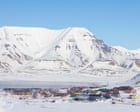
As glaciers melt and permafrost thaws, Longyearbyen, on the remote Arctic islands of Svalbard, faces climate-induced problems from tap water to housebuilding to landslides• Heavy metals make Norwegian village’s tap water toxicOn a rugged mountain plateau of snow-dusted rocks, in
The rapid warming of Longyearbyen, a Norwegian village in the Arctic, is a stark reminder of the far-reaching consequences of climate change. As one of the fastest-warming places on Earth, the village is grappling with a multitude of problems, from toxic tap water due to heavy metals to challenges in housebuilding and an increased risk of landslides. The thawing of permafrost and melting of glaciers are exacerbating these issues, posing significant threats to the livelihoods and well-being of the village's residents.
The situation in Longyearbyen highlights the urgent need for climate-resilient infrastructure and adaptive planning in vulnerable communities. As the Arctic continues to warm at a rate twice as fast as the global average, villages like Longyearbyen are on the frontlines of climate change. The Norwegian government's efforts to address these challenges will be closely watched, particularly in terms of how they balance economic development with environmental sustainability and community needs. The experience of Longyearbyen can also inform climate policy and planning in other regions facing similar challenges.
As the situation in Longyearbyen continues to unfold, it's essential to watch for developments in climate-resilient construction, water management, and disaster risk reduction. The village's efforts to mitigate the impacts of climate change will likely involve innovative solutions, such as permafrost-friendly building designs and sustainable water treatment systems. The success of these initiatives will depend on collaboration between local authorities, scientists, and residents, and could provide valuable lessons for other communities facing similar climate-related challenges.
Originally reported by theguardian.com. ClimateNews adds analysis for climate & energy readers.