Trump crackdown shatters US hopes for Guatemalans displaced by climate crisis
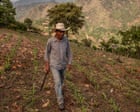
As drought worsens, more climate migrants are trekking north – but as US deportations ramp up, rural Guatemalans are running out of optionsThe small plots of farmland in Caparrosa, an Indigenous Maya Ch’orti’ village in eastern Guatemala, are bone dry. It’s mid-June, and the rain
The situation in Guatemala highlights the growing concern of climate migration, where drought and other climate-related disasters are forcing people to leave their homes in search of better living conditions. The fact that rural Guatemalans are trekking north in search of a better life, only to be met with US deportations, underscores the complexities of climate migration and the need for a coordinated international response.
The US deportation policy is particularly concerning, as it disregards the root causes of migration, including climate change. Climate migrants are not typically considered refugees, and therefore do not qualify for the same protections. This leaves them vulnerable to deportation, despite the fact that they are fleeing conditions that are often beyond their control. The industry context here is that climate change is expected to displace millions of people globally, and governments will need to grapple with how to respond to this new reality.
What's next to watch is how governments, including the US, will adapt their policies to address the growing reality of climate migration. Will there be a shift towards providing more humanitarian aid and protection to climate migrants, or will deportations continue to be a primary response? Additionally, efforts to address the root causes of climate migration, such as drought and agricultural disruption, will be crucial to mitigating the crisis. The international community will need to work together to develop and implement effective solutions to this pressing issue.
Originally reported by theguardian.com. ClimateNews adds analysis for climate & energy readers.